Transportation
Getting around Europe
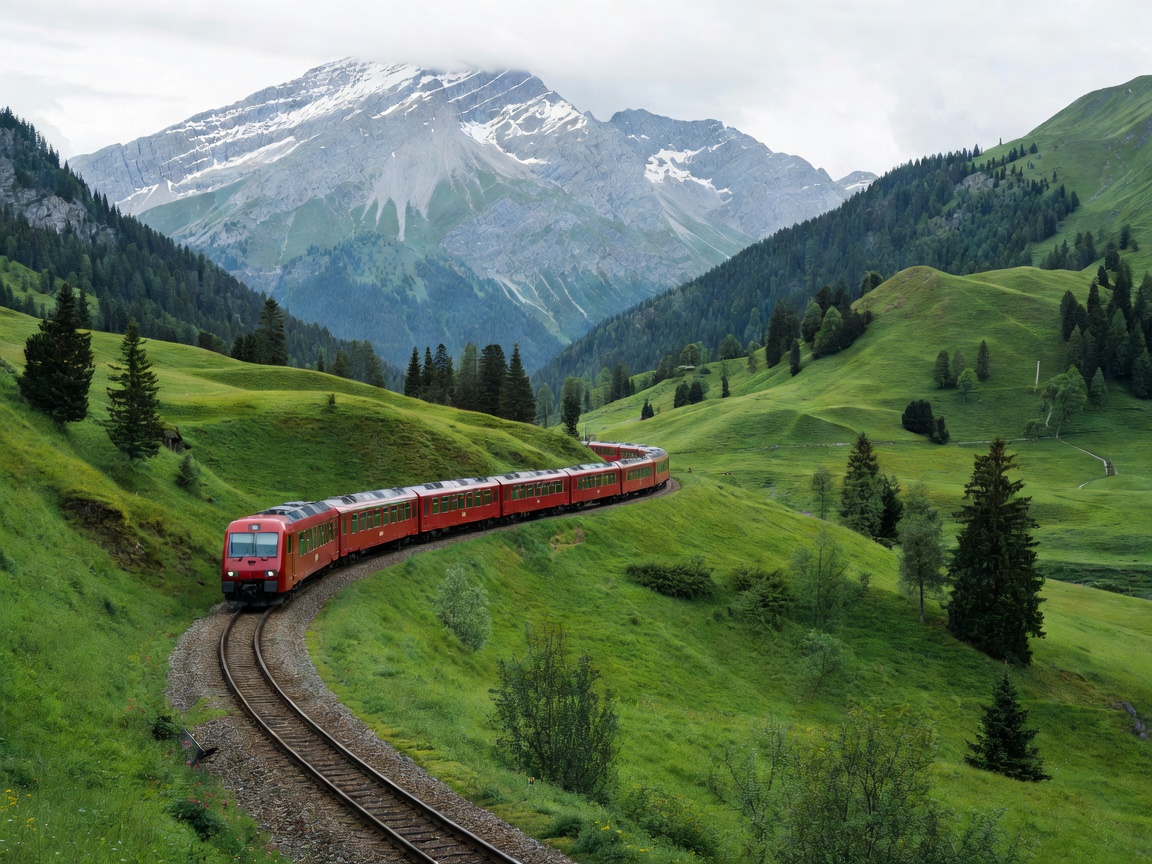
Europe is one of the easiest regions in the world to travel overland. High-speed networks such as France's TGV, Italy's Frecciarossa and Spain's AVE link major cities in a few hours. Eurail passes serve non-European residents and Interrail passes serve European residents; seat reservations are often required on high-speed and night trains. In Switzerland, the Swiss Travel Pass covers most trains, buses and lake boats. Overnight services such as Austria's Nightjet save a hotel night on long hops.
| Mode | Best for | Pros | Cons |
|---|---|---|---|
| Train | City to city under about six hours | Central stations, scenery, luggage-friendly | Peak fares rise close to departure |
| Budget flight | Long hops, such as Amsterdam to Athens or Oslo to Tromsø | Fast over long distances | Baggage fees, distant airports |
| Ferry | Greek islands from Piraeus, Split to Hvar, Norway's coast with Hurtigruten | Scenic, part of the adventure | Seasonal timetables, weather delays |
| Bus | Budget routes, smaller towns | Low fares with operators such as FlixBus | Slower, traffic-dependent |
| Car hire | Algarve, Crete, Lofoten, the fjords | Freedom to explore remote areas | City parking, Italy's ZTL restricted zones, narrow roads on the Amalfi Coast |
Suggested Itineraries
Ready-made routes
These routes use realistic travel times and leave room to breathe. Treat them as templates: swap a stop, add a beach day or slow down.
Classic Capitals
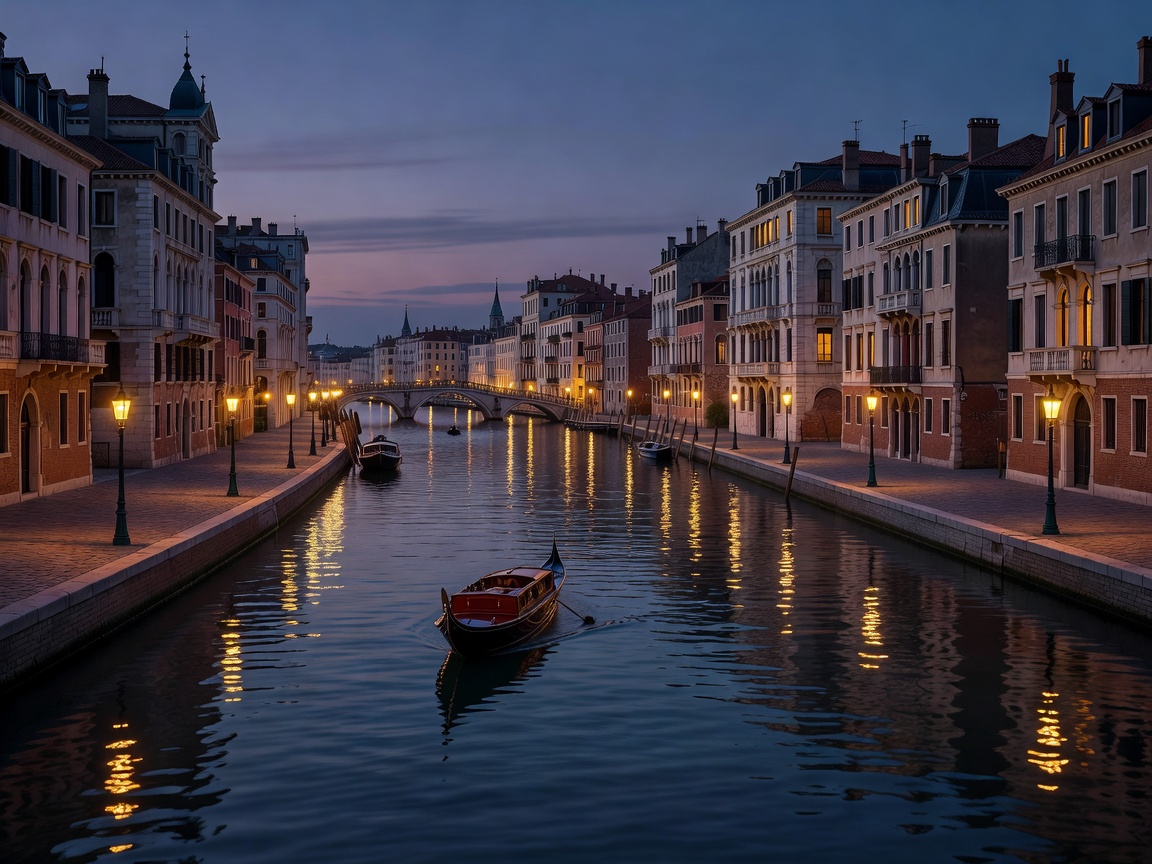
- Days 1–3: Paris, Eiffel Tower and Louvre
- Day 4: Train to Amsterdam
- Days 5–6: Rijksmuseum, canals, Keukenhof in spring or Giethoorn
- Day 7: Rotterdam and depart
Italy Highlights
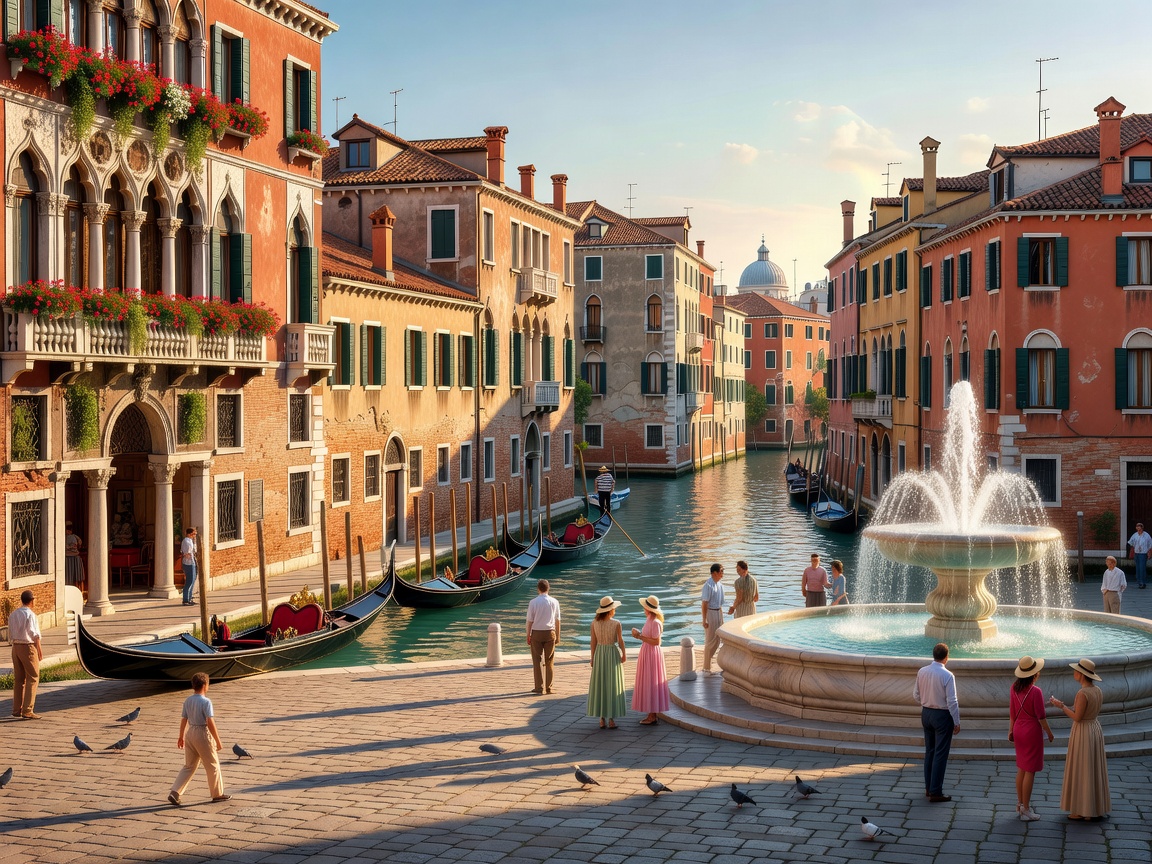
- Days 1–2: Venice
- Days 3–4: Florence
- Days 5–7: Rome, Colosseum and Vatican City
- Days 8–10: Amalfi Coast
Alps & Imperial Cities
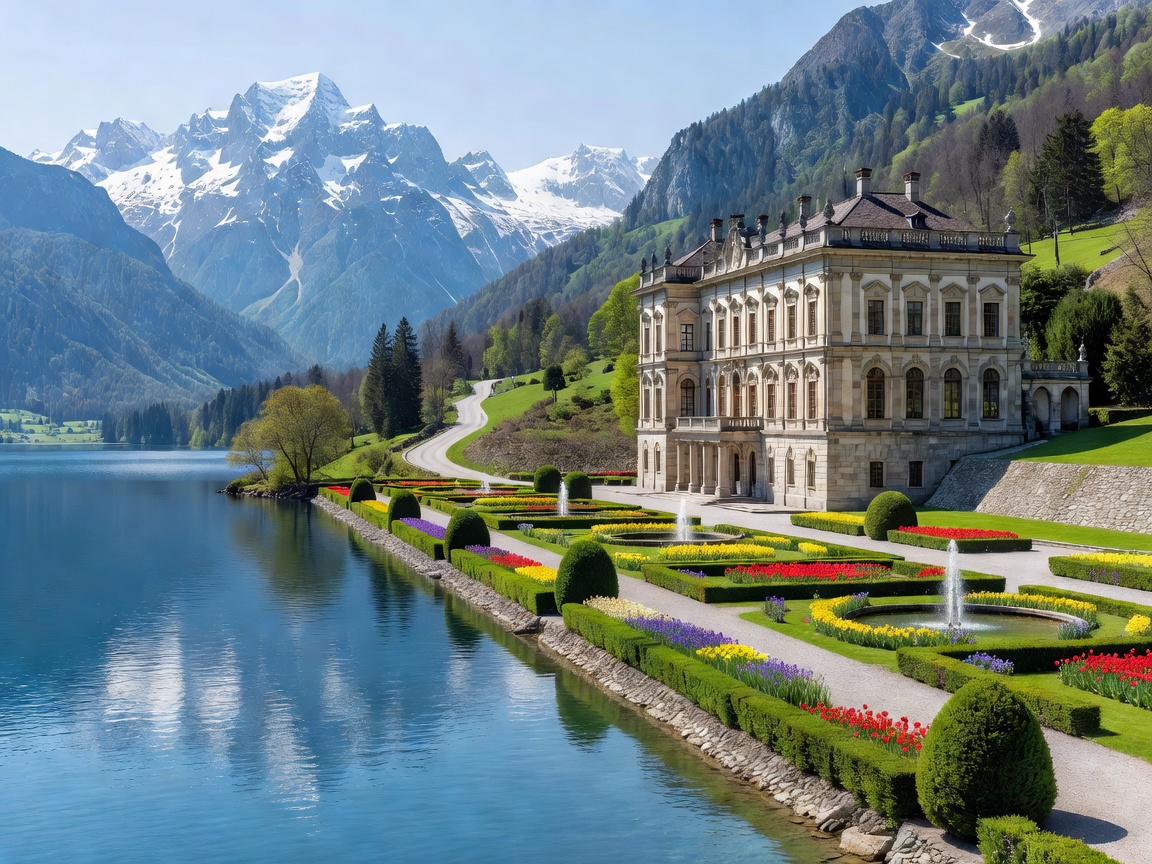
- Days 1–2: Lake Geneva
- Days 3–5: Interlaken and the Swiss Alps
- Days 6–7: Lucerne; Day 8: Zurich
- Day 9: Innsbruck; Days 10–11: Salzburg and Hallstatt
- Days 12–14: Vienna and Schönbrunn Palace
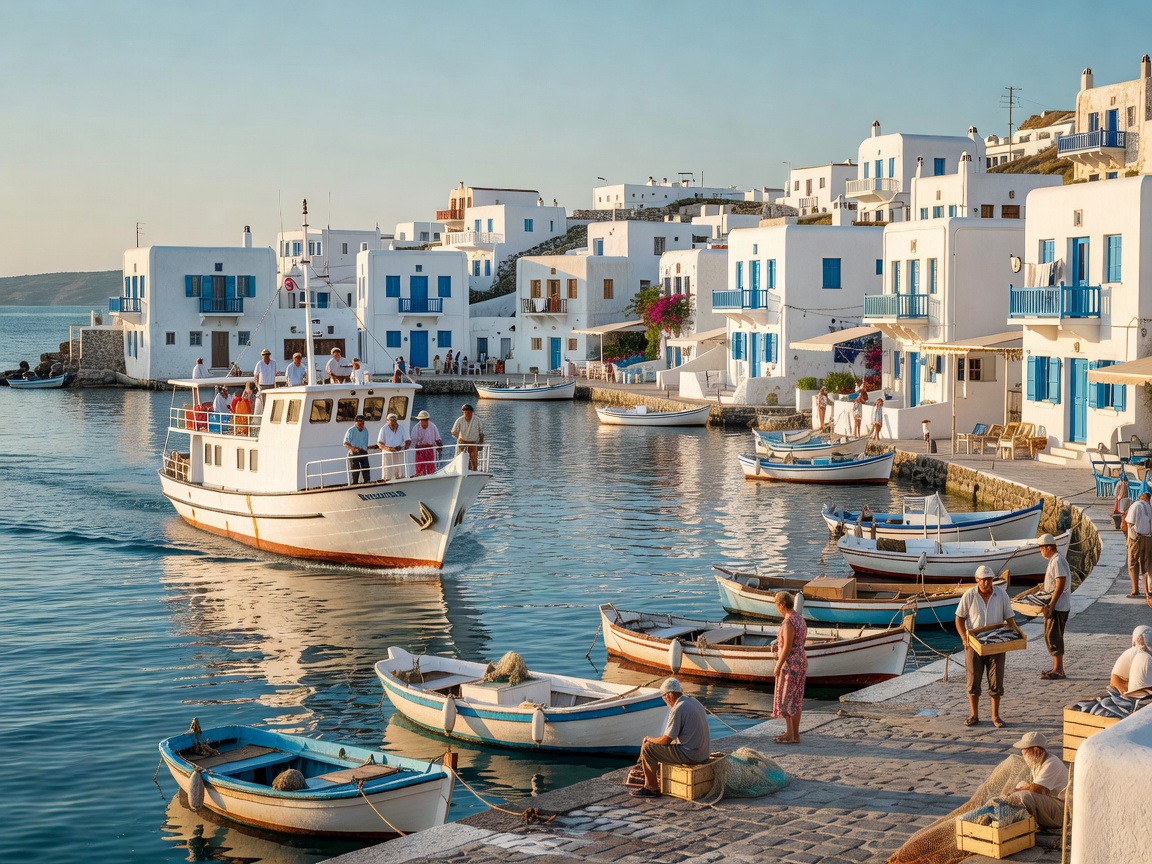
Aegean Islands
- Days 1–2: Athens and the Acropolis
- Days 3–5: Santorini
- Days 6–7: Mykonos
- Days 8–10: Crete
More route ideas
- Spain, 10 days: Barcelona and the Sagrada Família, Madrid, Seville, then the Costa del Sol.
- Portugal, 10 days: Lisbon and Sintra, Porto, the Algarve, with Madeira as an add-on.
- Croatia, 8 days: Dubrovnik, Hvar, Split and the Dalmatian Coast, finishing at Plitvice Lakes.
- Norway, 9 days: Oslo, Bergen and the Norwegian Fjords, then fly north to Tromsø or the Lofoten Islands.
Best Time to Visit
Seasons at a glance
The shoulder seasons of spring and autumn are often the sweet spot: pleasant weather, fewer crowds and better availability. Summer suits beaches and the far north; winter suits snow, festive markets and the northern lights.
| Season | Months | Highlights | Watch out for |
|---|---|---|---|
| Spring | April–May | Keukenhof tulips, mild city weather | Some mountain lifts and island services still limited |
| Summer | June–August | Beaches and islands, midnight sun in Tromsø and Lofoten, alpine hiking | Peak crowds and prices, heat in southern cities |
| Autumn | September–October | Warm Mediterranean sea, harvest season | Ferry timetables shrink late in the season |
| Winter | November–March | Northern lights in Tromsø, Christmas markets in Vienna and Salzburg, skiing near Innsbruck and the Swiss Alps | Short daylight in the north, quiet coastal resorts |
Travel Tips
Practical tips before you go
- Entry rules: all ten countries are in the Schengen Area. Many visitors can stay up to 90 days in any 180-day period. Check the official EU Travel to Europe site for the Entry/Exit System and ETIAS requirements before booking.
- Money: the euro is used in eight of the ten countries; Switzerland uses the Swiss franc and Norway the Norwegian krone. Cards are widely accepted, but keep a little cash for small cafés and markets.
- Plugs: most countries use Type C and F sockets; Switzerland uses Type J, which accepts standard two-pin Type C plugs.
- Book ahead: reserve timed entry for major landmarks and high-speed trains, especially in summer.
- Stay alert: pickpockets target crowded landmarks and metro lines; use a zipped bag.
- Dress codes: cover shoulders and knees for churches, including St Peter's Basilica.
- Insurance: buy travel insurance; eligible residents should also carry an EHIC or GHIC card.
FAQ
Frequently asked questions
How many days do I need for a Europe trip?
Plan two to four days per major city and one to two days for smaller towns. A focused one-country trip works in 7–10 days; a multi-country route is more comfortable in two weeks or more.
Which country is best for first-time visitors?
France and Italy are classic first choices thanks to Paris, Rome and excellent trains. The Netherlands and Portugal are compact and easy to navigate.
Is it better to travel by train or plane?
For trips up to around six hours, trains are often simpler once you count airport transfers and security. Flights make sense for long distances, such as reaching Greece or northern Norway.
When is Europe most affordable?
Shoulder and off-season months generally offer better value on accommodation, with the exception of ski resorts and Christmas market cities in winter.
Where can I see the northern lights?
Tromsø and the Lofoten Islands are strong bases on dark, clear nights, roughly from late September to early April. Sightings are never guaranteed.
Do I need to book landmarks in advance?
For the Eiffel Tower, Louvre Museum, Colosseum, Vatican Museums, Sagrada Família and Rijksmuseum, booking ahead is strongly recommended, particularly in peak season.