Famous Landmarks
The icons, and how to see them well
Europe's best-known landmarks are popular for good reason, but a little planning changes the experience completely. The common thread: book timed entry where it exists, arrive early or late, and allow more time than you think.
Eiffel Tower, Paris
Completed in 1889 for the World's Fair, the wrought-iron tower offers views from several levels. A timed ticket booked online is strongly recommended, and climbing the stairs to the second floor is an alternative to lift queues. Stay after dark to watch it sparkle on the hour.
Louvre Museum, Paris
Home of the Mona Lisa and the Venus de Milo, the Louvre is large enough to fill several days. Reserve an entry slot, pick two or three wings in advance and treat it as more than one visit if you can.
Mont Saint-Michel, Normandy
A medieval abbey crowns this rocky tidal island. Check tide tables before you go: the biggest tides surround the island, and walking across the bay should only be done with a qualified guide. Staying overnight lets you see it empty in the evening.
Colosseum, Rome
Rome's great amphitheatre, inaugurated in 80 AD, once hosted gladiatorial games. Tickets usually combine the Roman Forum and Palatine Hill, so allow half a day. Arena and underground areas have limited access and sell out early.
Vatican City
St Peter's Basilica, the Vatican Museums and the Sistine Chapel sit within the world's smallest country. A dress code applies: shoulders and knees should be covered. Early-entry slots help you avoid the heaviest crowds.
Sagrada Família, Barcelona
Antoni Gaudí's basilica has been under construction since 1882. Its forest-like columns and coloured light are best seen with a pre-booked ticket; tower access is sold separately and has limited capacity.
Acropolis, Athens
The Parthenon and surrounding temples date largely to the 5th century BC. Arrive at opening time or late in the day to avoid midday heat, wear shoes with grip on worn marble and pair the visit with the Acropolis Museum below.
Schönbrunn Palace, Vienna
The Habsburgs' summer residence features ornate state rooms and extensive gardens that are free to walk. Climb to the Gloriette for a sweeping view back over the palace and city.
Rijksmuseum, Amsterdam
The Netherlands' national museum holds Dutch Golden Age masterpieces, including Rembrandt's The Night Watch and works by Vermeer. Tickets are sold by time slot.
Landmark planner
| Landmark | Where | Allow | Booking advice |
|---|---|---|---|
| Eiffel Tower | Paris | 2–3 hours | Timed ticket online; sunset slots go first |
| Louvre Museum | Paris | Half a day or more | Reserve an entry slot; plan wings in advance |
| Mont Saint-Michel | Normandy | Full day | Check tides; arrive early or stay overnight |
| Colosseum | Rome | Half a day | Combined ticket with Forum and Palatine Hill |
| Vatican Museums & St Peter's | Vatican City | Half a day | Book museums ahead; cover shoulders and knees |
| Sagrada Família | Barcelona | About 2 hours | Pre-book; towers sold separately |
| Acropolis | Athens | About 3 hours | Go at opening or late afternoon |
| Schönbrunn Palace | Vienna | Half a day | Timed palace tour; gardens free |
| Rijksmuseum | Amsterdam | About 3 hours | Book a time slot online |
Nature & Landscapes
Mountains, fjords, lakes and gardens
Some of the most memorable days in Europe happen far from any museum. These landscapes are all reachable by public transport, though a car adds flexibility in Norway and on Madeira.
The Swiss Alps: Interlaken and Lucerne
Interlaken sits between two lakes beneath the Eiger, Mönch and Jungfrau, making it a natural base for mountain railways, hiking and paragliding. Lucerne offers lake cruises and cogwheel or cable-car access to nearby summits such as Pilatus and Rigi.
Lake Geneva
The shoreline between Lausanne and Montreux is backed by the terraced Lavaux vineyards, a UNESCO World Heritage Site, and the lakeside Château de Chillon. Lake steamers make a scenic alternative to the train.
Austrian Alps: Hallstatt and Innsbruck
Hallstatt's pastel houses reflect in a mountain lake; visit early or stay overnight to avoid tour-bus peaks. From Innsbruck, the Nordkette cable car climbs from the city centre to high alpine terrain in a single journey.
Norwegian Fjords
From Bergen, rail-and-ferry routes and cruises reach the fjords, including the UNESCO-listed Geirangerfjord and Nærøyfjord. Waterfalls are fullest in early summer as snow melts.
Tromsø and the Lofoten Islands
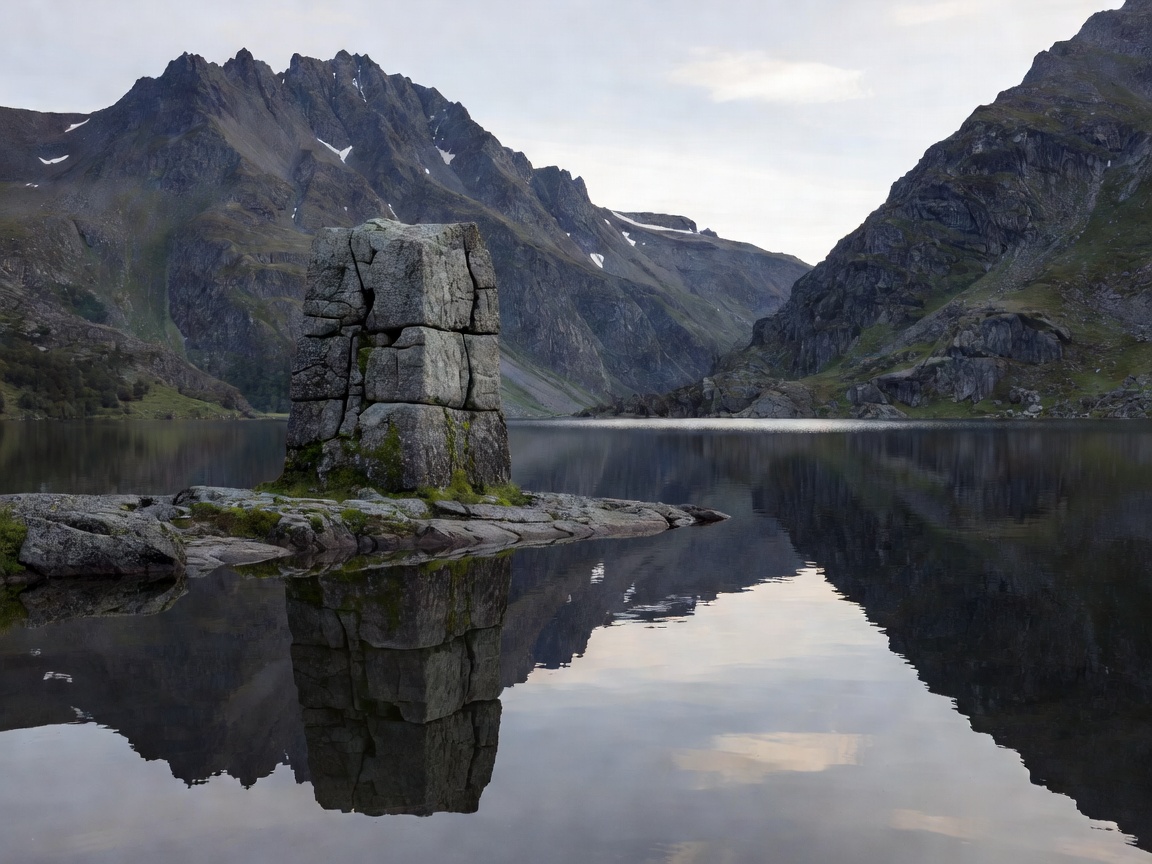
Tromsø is a popular base for the northern lights on dark, clear nights, roughly from late September to early April, and for the midnight sun in early summer. Lofoten's jagged peaks, red fishing cabins and villages such as Reine suit hikers and photographers.
Plitvice Lakes, Croatia
A UNESCO site since 1979, Plitvice links sixteen terraced lakes with waterfalls and wooden boardwalks. Swimming is not allowed. Arrive at opening to walk the lower lakes before the crowds.
Madeira, Sintra and Keukenhof
Madeira's levada trails follow historic irrigation channels through the Laurisilva laurel forest. Sintra's wooded hills hide palaces including the colourful Pena Palace. Keukenhof, near Amsterdam, opens only for a limited season each spring, roughly March to May, when millions of bulbs bloom.
Guided or independent?
Guided tours
- Skip-the-line access is often bundled in
- Context and stories you would otherwise miss
- Essential for crossing Mont Saint-Michel's bay on foot
- Fixed pace and group sizes can feel rushed
Independent visits
- Freedom to linger or leave early
- Usually cheaper, especially for families
- Audio guides and apps fill many gaps
- You handle bookings, timings and weather calls