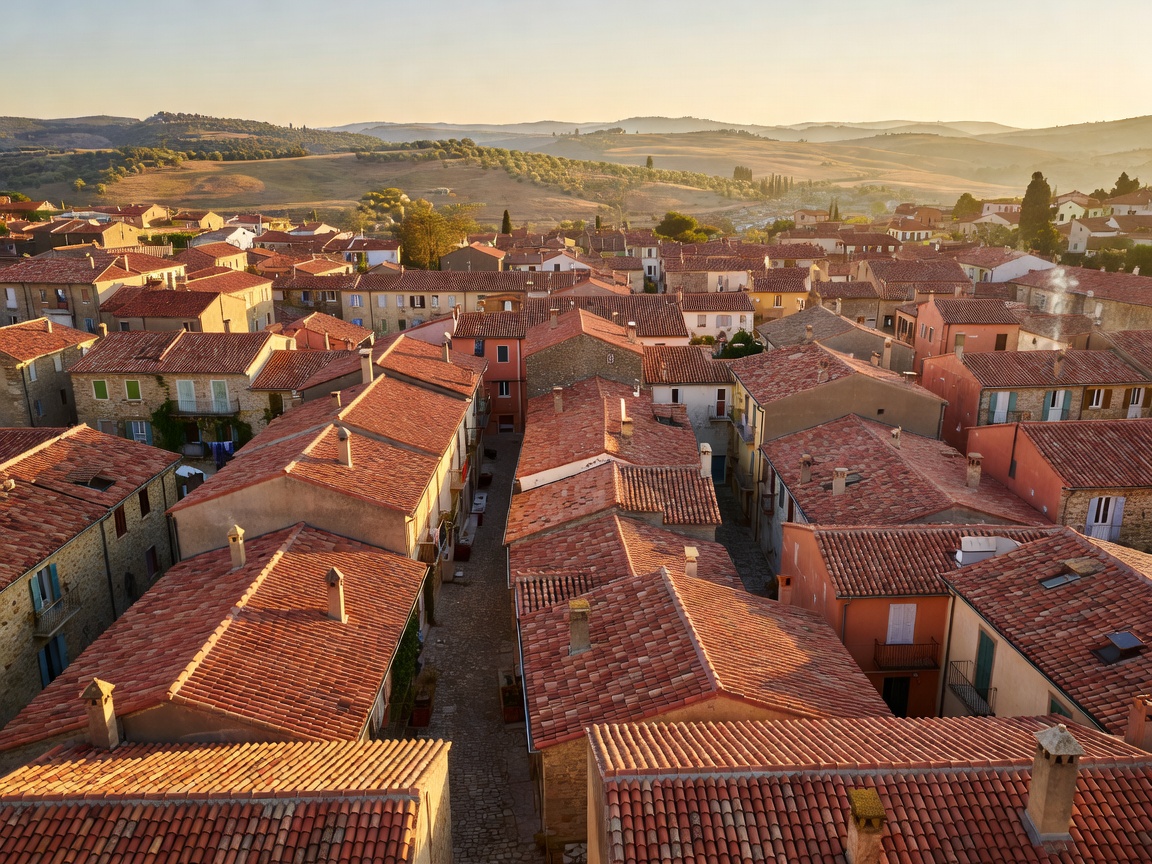
Countries
Ten countries on the route
Europe packs extraordinary variety into a compact area. In a single week you can move from Atlantic surf to alpine glaciers, or from Renaissance galleries to Arctic fishing villages. The ten countries below form the backbone of this guide. Each one is summarised with the five or six destinations we cover in depth across the other stages, so you can see at a glance what a country offers before committing days to it.
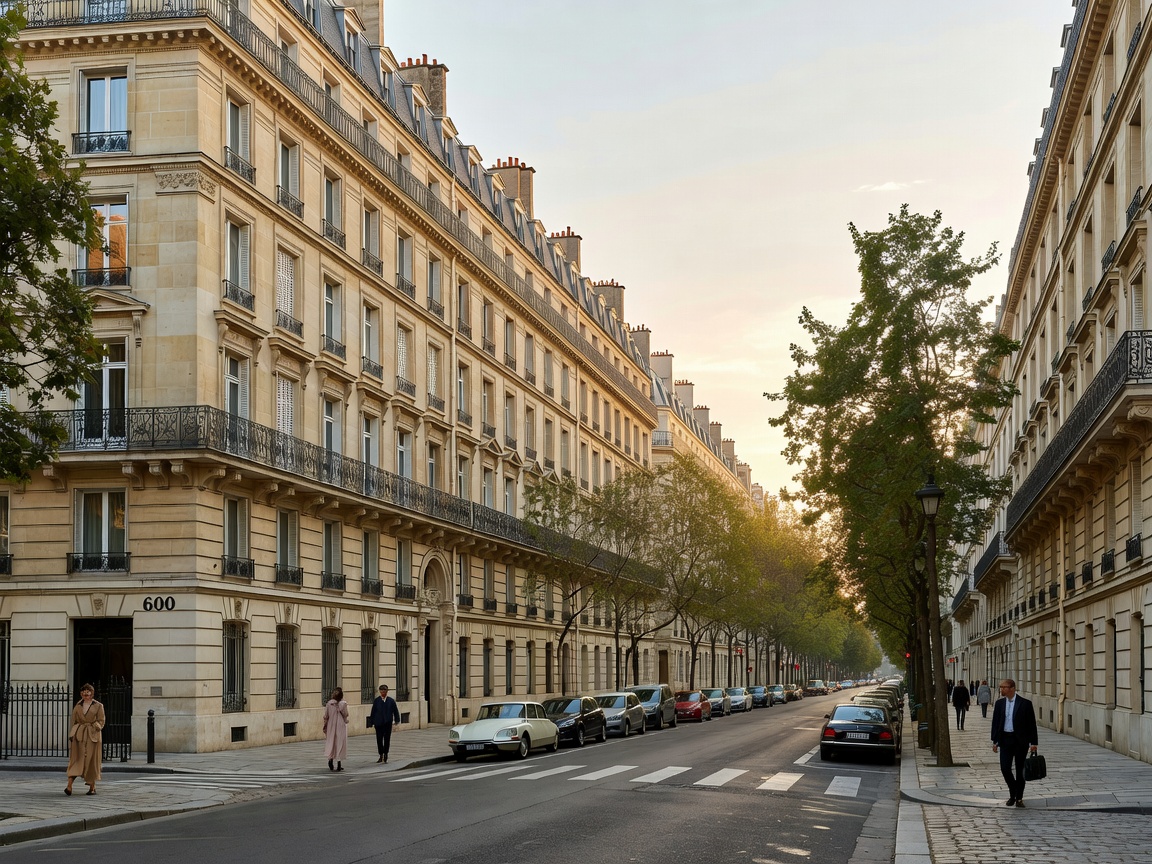
France
Start in Paris for the Eiffel Tower and the Louvre Museum, then choose between the sun-washed French Riviera and Mont Saint-Michel, the tidal island abbey off the Normandy coast. High-speed trains make these combinations realistic.
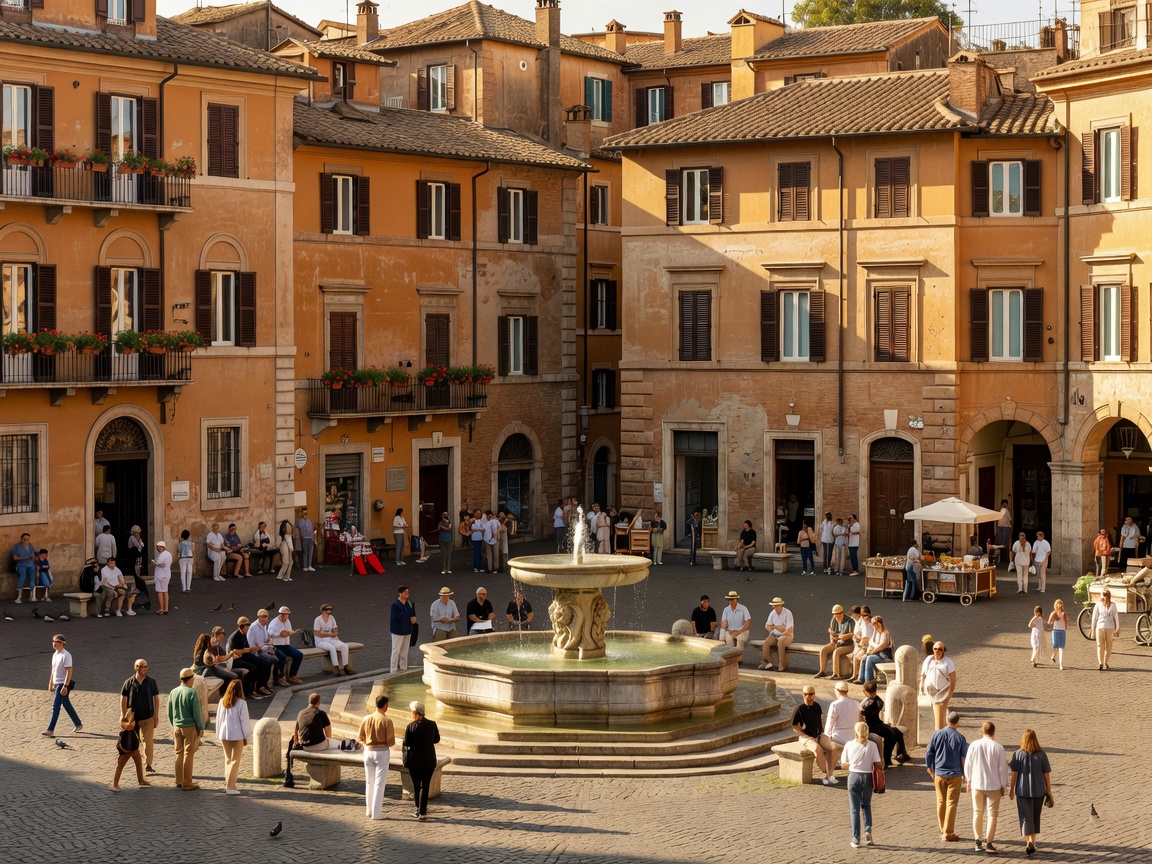
Italy
Rome pairs the Colosseum with Vatican City, a separate sovereign state inside the capital. Continue north to Renaissance Florence and the canals of Venice, or south to the cliffside villages of the Amalfi Coast.
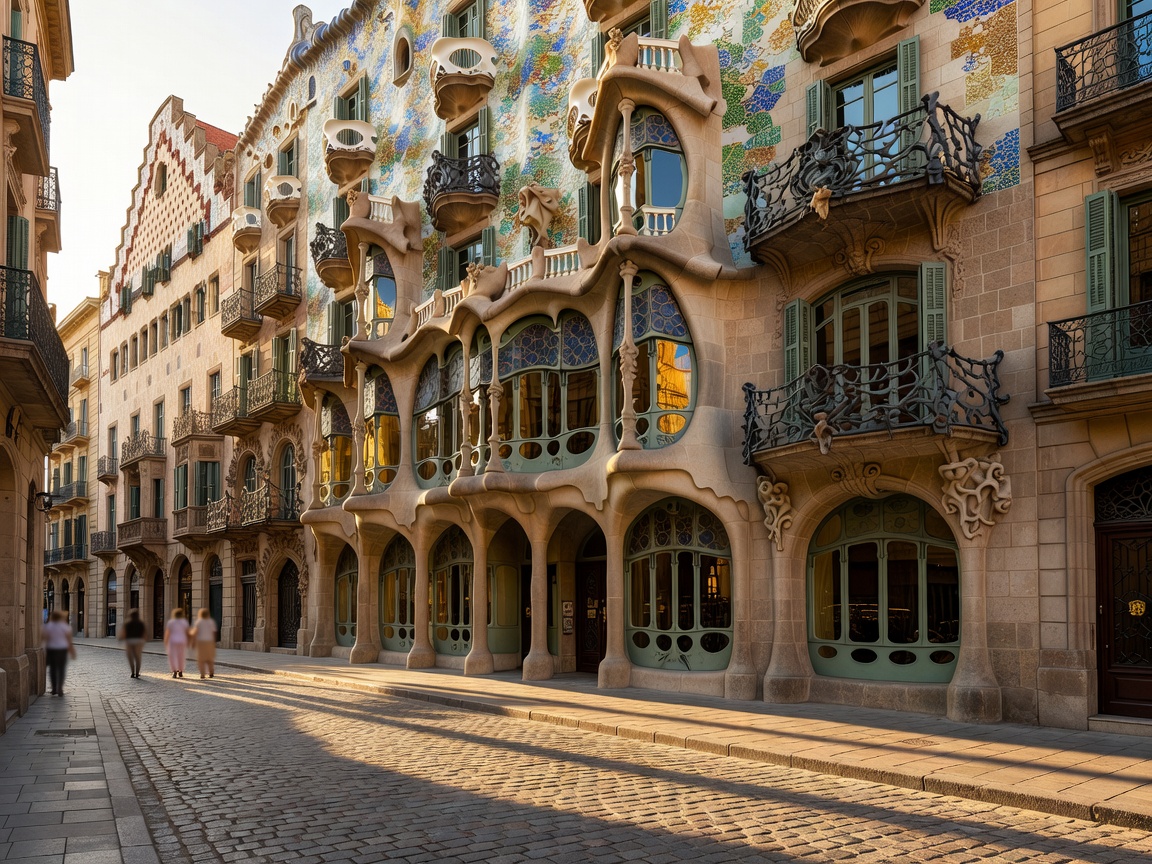
Spain
Barcelona blends beaches with Gaudí's Sagrada Família, while Madrid rewards museum lovers and late-night diners. Seville is the heart of Andalusian tradition, and the Costa del Sol offers long stretches of Mediterranean sand.
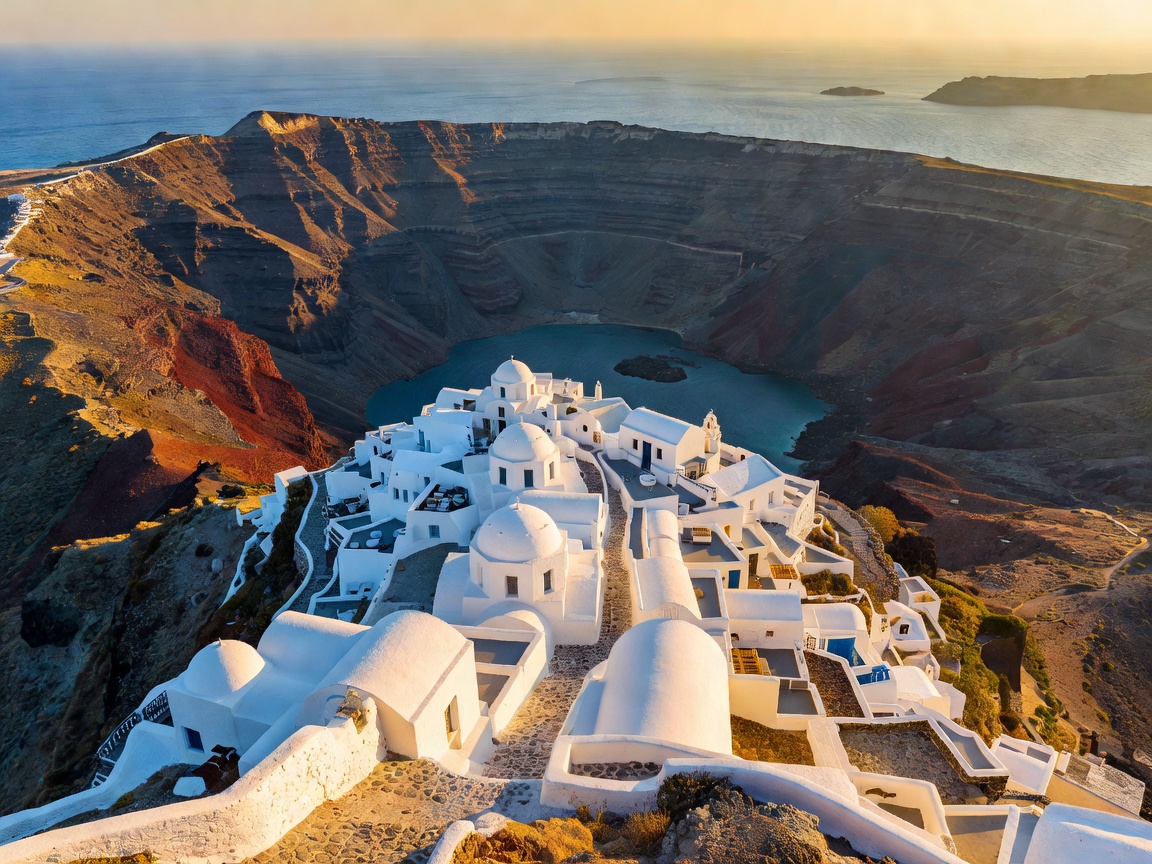
Greece
Athens is crowned by the Acropolis, the ancient citadel above the modern city. From the port of Piraeus, ferries reach Santorini's caldera views, lively Mykonos and Crete, the largest Greek island.
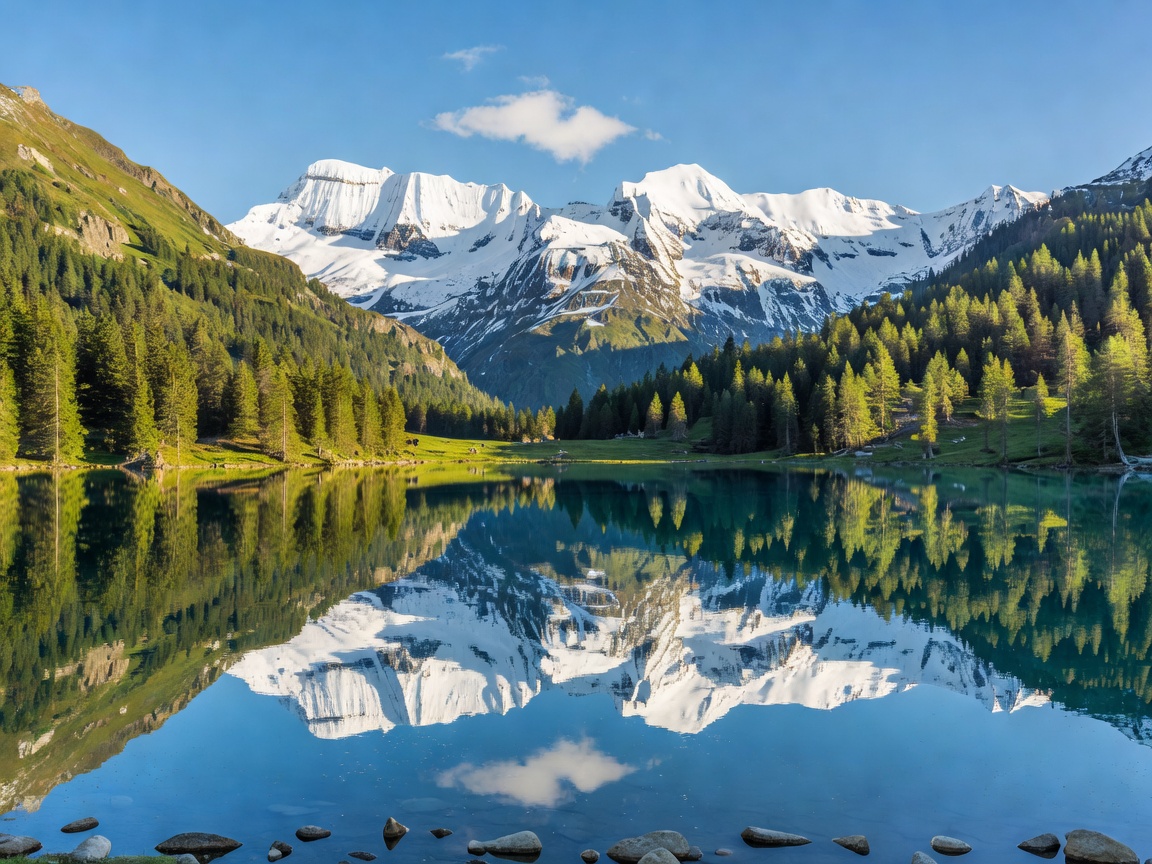
Switzerland
Zurich is an efficient gateway with a lakeside old town. Lucerne and Interlaken sit at the doorstep of the Swiss Alps, and Lake Geneva links French-speaking cities with vineyards and mountain views.
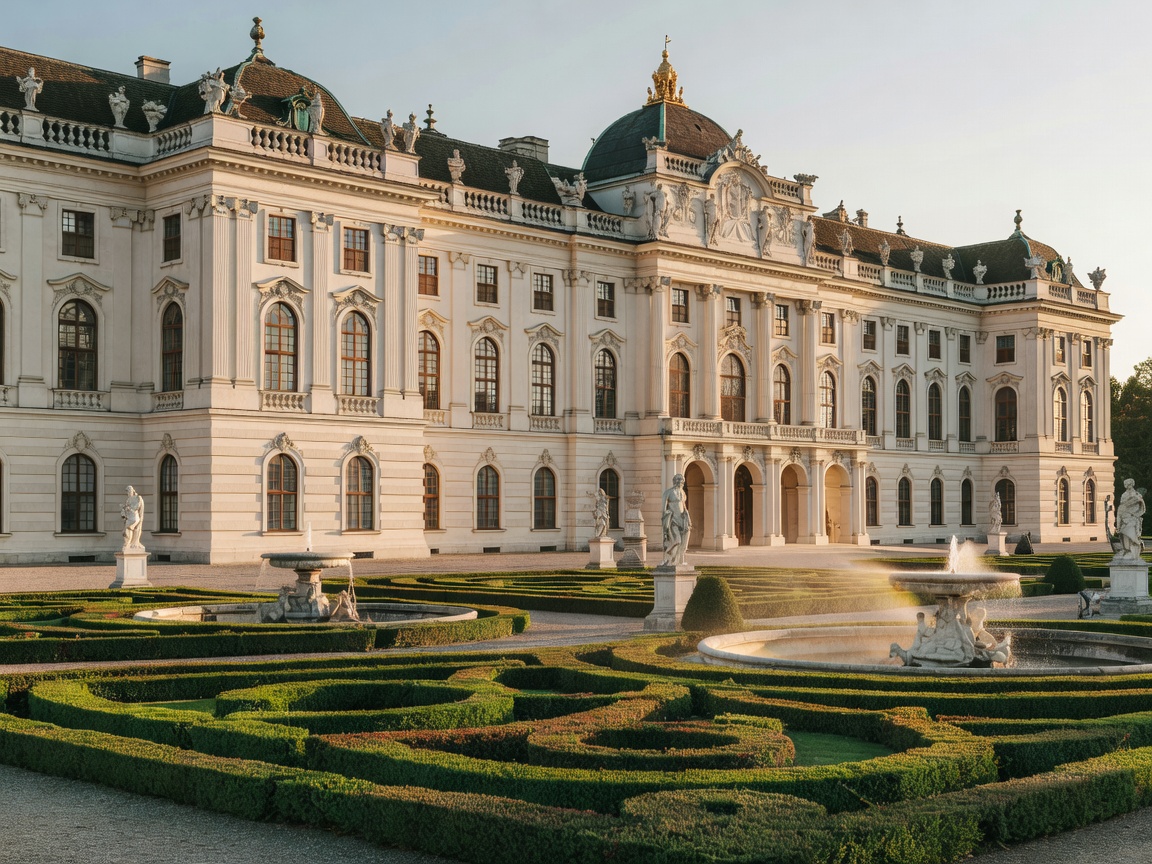
Austria
Vienna is famed for imperial architecture, coffee houses and Schönbrunn Palace. Salzburg is Mozart's birthplace, Hallstatt a postcard lakeside village and Innsbruck an alpine city ringed by peaks.
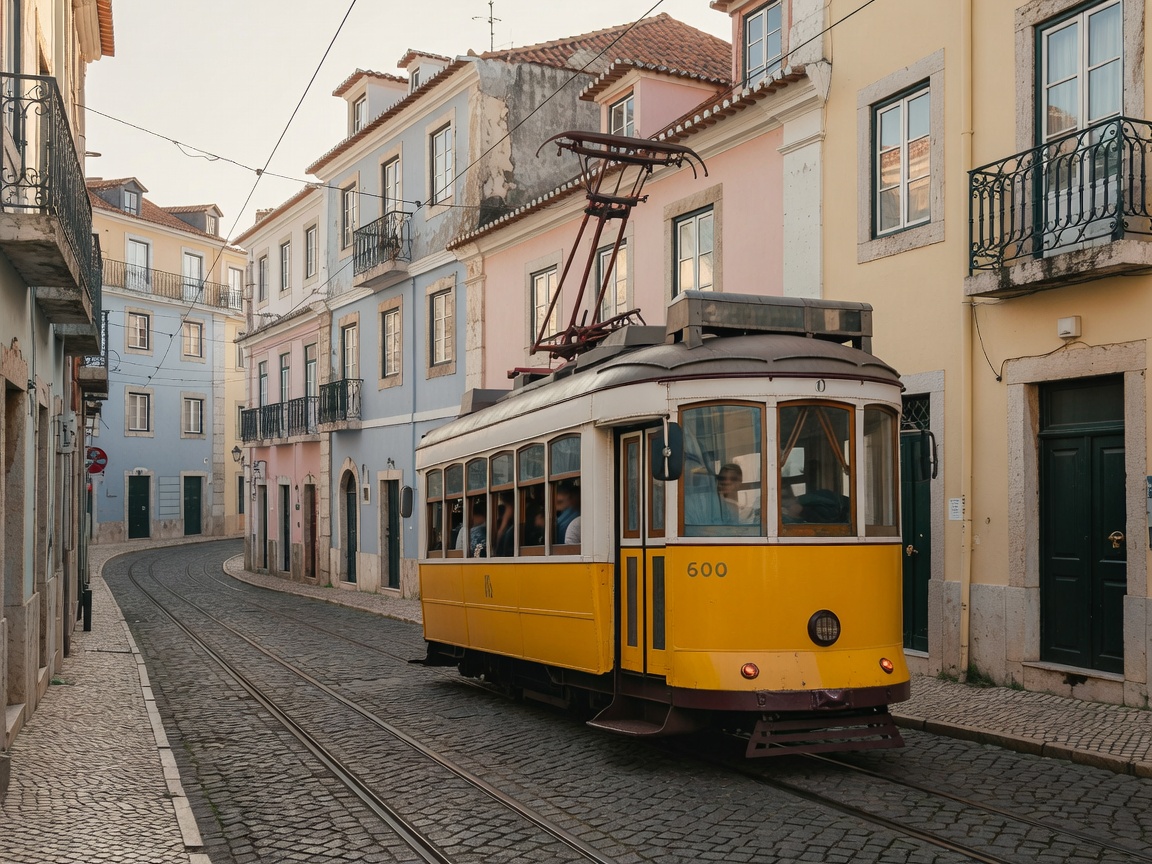
Portugal
Lisbon spreads across hills above the Tagus River, with Sintra's romantic palaces a short train ride away. Porto is the home of port wine, the Algarve is known for golden cliffs and Madeira for dramatic volcanic scenery.
Netherlands
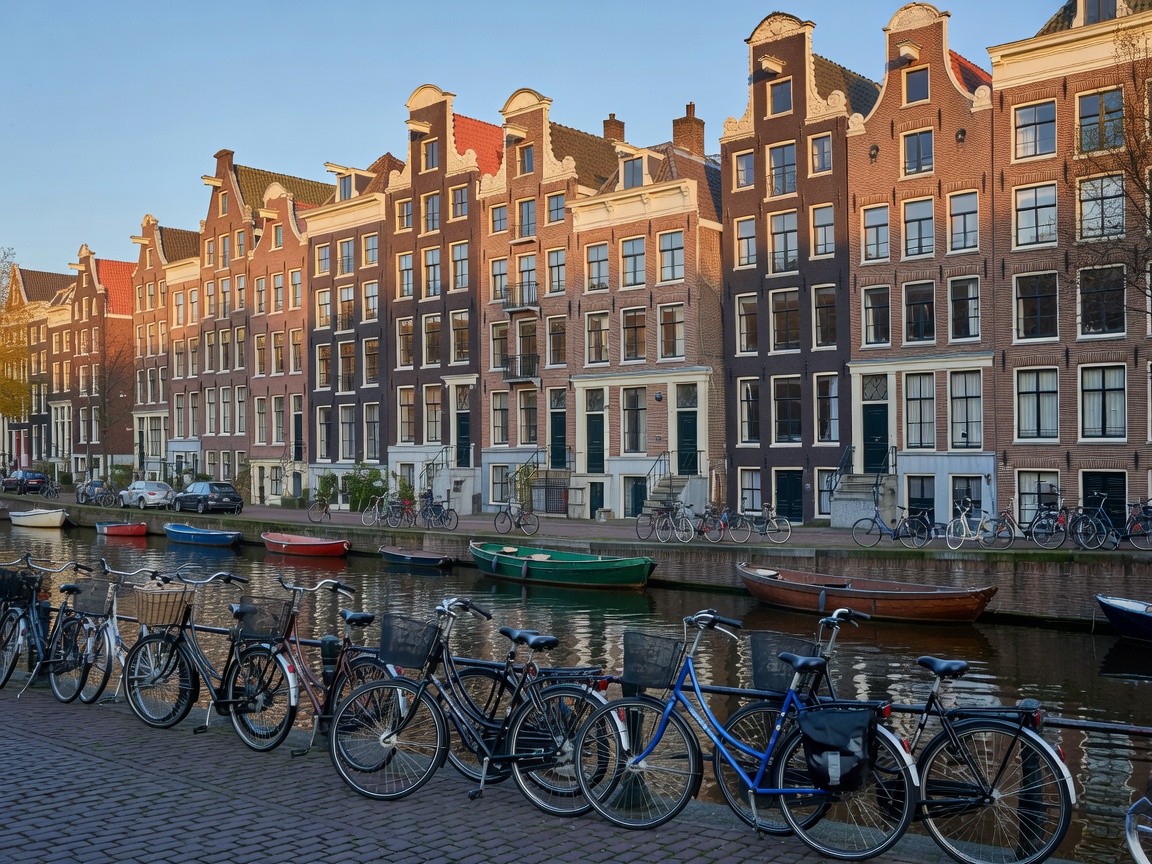
Amsterdam's canal ring, bikes and the Rijksmuseum draw most visitors. In spring, Keukenhof fills with tulips; Rotterdam showcases bold modern architecture, and car-free Giethoorn is explored by boat and footpath.
Norway
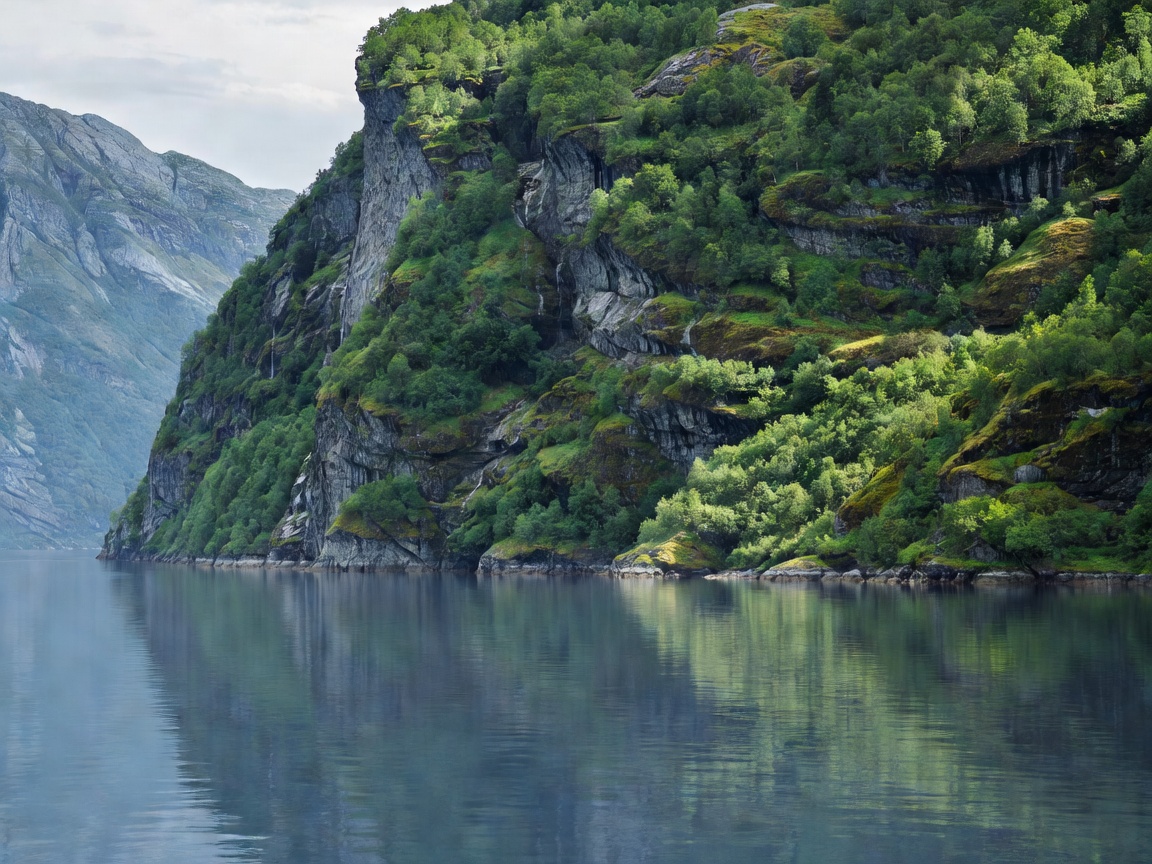
Oslo combines a waterfront opera house with fine museums, and Bergen is the classic gateway to the Norwegian Fjords. Head north to Tromsø for Arctic nights and to the Lofoten Islands for peaks rising straight from the sea.
Croatia
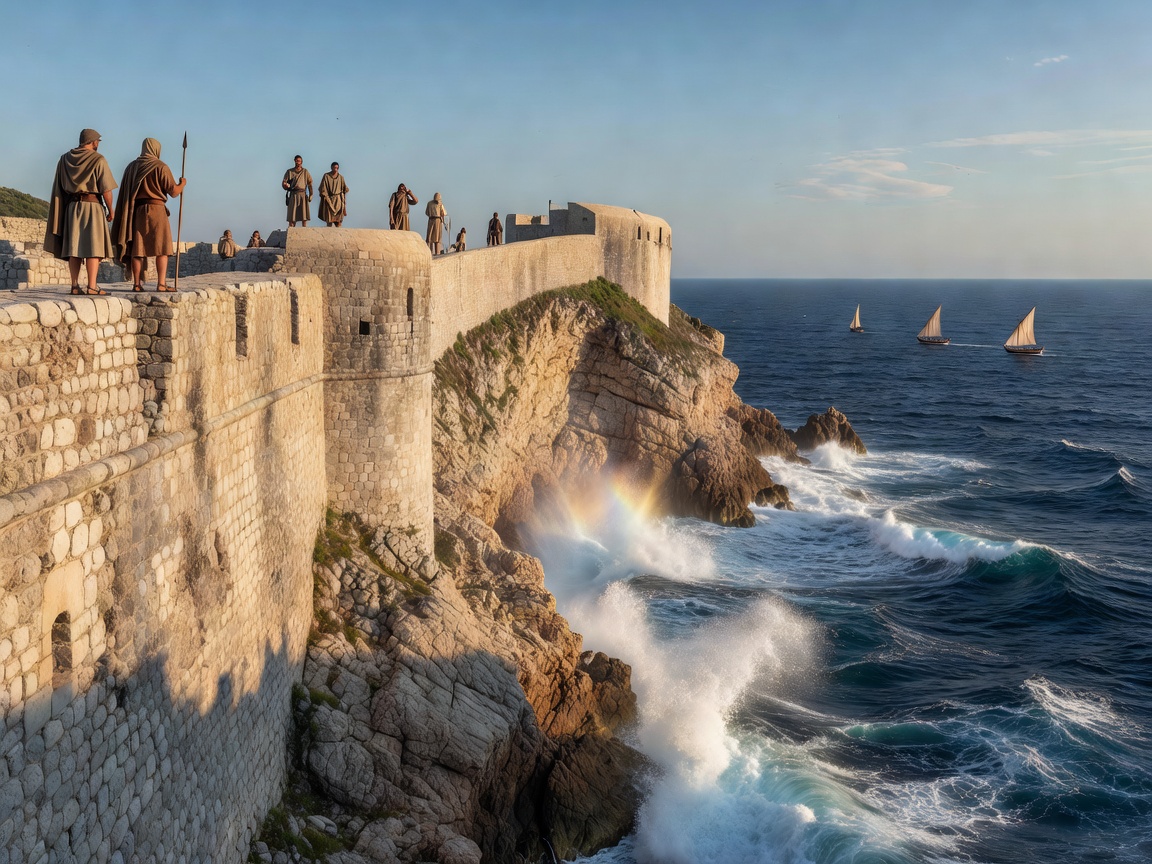
Dubrovnik's walled old town overlooks the Adriatic, and Split is built around Diocletian's Palace. Plitvice Lakes is a chain of terraced lakes and waterfalls, while Hvar anchors island hopping along the Dalmatian Coast.
Places to Visit
Choosing places by travel style
With fifty destinations on the map, the hardest part is choosing. Rather than ranking places, we group them by the kind of trip they suit best, so you can build a route that matches your pace, budget and interests.
First trip to Europe
Paris, Rome, Barcelona and Amsterdam are well connected by train and air, packed with headline sights and easy to navigate with public transport. They also have the widest choice of accommodation, which makes last-minute changes less stressful.
Scenery and romance
Venice, Santorini, Hallstatt, Lucerne and the Amalfi Coast are where views do most of the work. Stay overnight rather than day-tripping: early mornings and evenings are calmer and the light is at its best.
Art and history
Florence, Vienna, Athens, Madrid and Seville reward travellers who like museums, architecture and layered history. Book major collections ahead and leave unscheduled time to wander between them.
Outdoor adventure
Interlaken, Innsbruck, the Norwegian Fjords, the Lofoten Islands, Madeira and Plitvice Lakes suit hikers, cyclists and anyone who prefers trails to tours. Weather matters more here, so build in a flexible day.
Slower, quieter corners
Giethoorn, Porto, Sintra on a weekday, inland Crete and Tromsø in winter offer a gentler rhythm. They pair well with a busy capital to balance a longer itinerary.
Classic hubs vs smaller towns
Classic hubs
- Frequent trains and flights in and out
- Huge range of hotels, food and tours
- Headline landmarks within easy reach
- Crowds and queues in peak season
- Accommodation usually costs more
Smaller towns and villages
- Calmer atmosphere and more local character
- Often better value for money
- Fewer direct connections and later starts
- Limited evening dining options
- Hallstatt and Giethoorn get busy with midday day-trippers
Route tip: pair one major hub with one smaller base per country. For example, Lisbon with Sintra, Vienna with Hallstatt or Amsterdam with Giethoorn. You get the landmarks and the breathing space.